

 or
or  lines to the right of the URL bar at the top of your browser
City Finance Lab: Practical Training Built Around Cities’ Needs
City Finance Lab is a new League training program designed to give city staff practical experience with the financial responsibilities…
Navigating Election Season
The League’s Research Team has answered 12 frequently asked questions about what happens during and after an election.
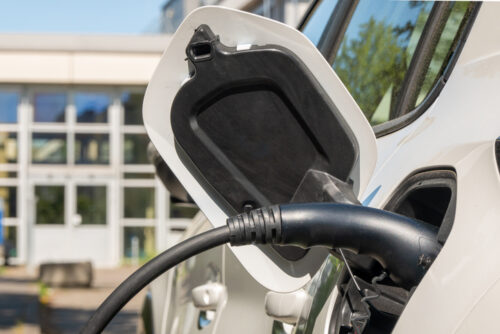
Electric Vehicle Safety Considerations for Your Fleet
Before adding electric vehicles to your fleet, it’s important to plan for battery safety, charging and storage, emergency response, cold-weather…
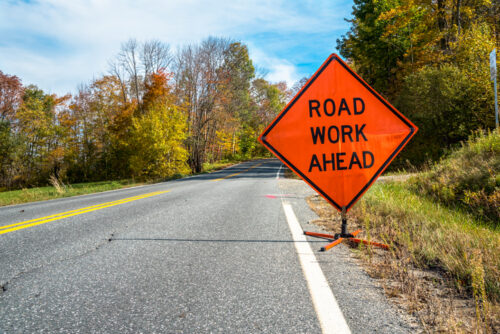
Fall Safety Reset: Preparing City Staff for a Busy Fall Season
With busier roads and active work zones, heightened awareness and clear safety expectations are essential in September.
The 2026 Constitutional Amendment: What Cities Need to Know
Here's what Minnesota city officials need to know about the constitutional amendment question related to the state's permanent school fund…
Reporting to LMCIT vs. OSHA: What’s the Difference?
Reporting an incident to the League of Minnesota Cities Insurance Trust (LMCIT), maintaining OSHA injury and illness records, and notifying…
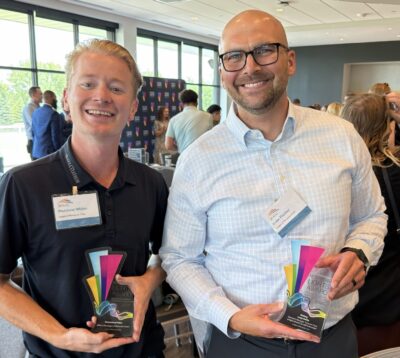
League Projects Recognized at 2026 Northern Lights Awards
This year, League staff brought home five Minnesota Association of Government Communicators awards, including two Northern Lights Awards.
Wildfire Smoke Creates Dangerous Conditions for Minnesota Outdoor Workers
Take steps to protect employees during periods of dangerous air quality.
2026 Legislative Session Creates New Grant Opportunities for Cities
The 2026 Minnesota legislative session established several new grant programs that may be of interest to cities.
Minnesota Facility Operators: Important Notice from Gopher State One Call
Gopher State One Call (GSOC) recently notified facility operators about important updates made to Minnesota Statute 216D.